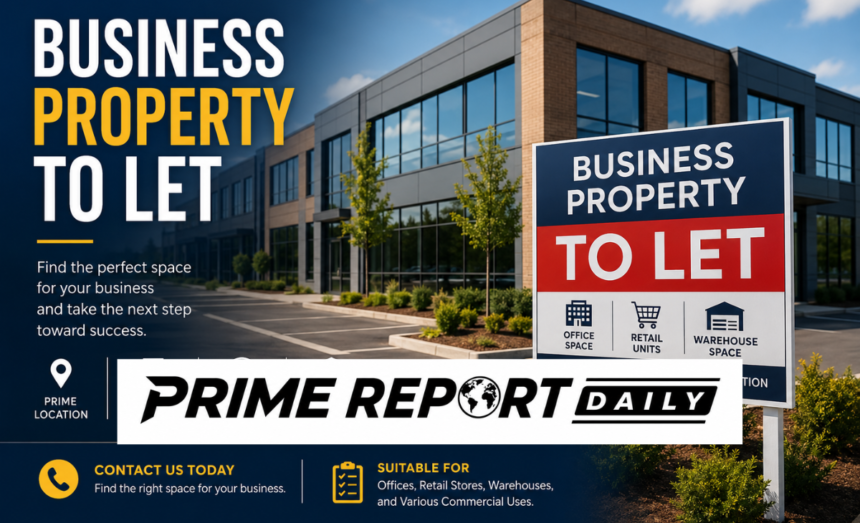
Finding the right business property to let is an important step for any company. Whether you’re starting a new business, expanding an existing one, or relocating to a better location, the commercial property you choose can influence your success for years to come.
A good business property provides more than just a place to work. It helps attract customers, improves employee productivity, supports daily operations, and strengthens your professional image. At the same time, choosing the wrong property can increase costs and create challenges that slow business growth.
Today’s commercial property market offers more choices than ever before. Businesses can choose from offices, retail units, warehouses, industrial buildings, and mixed-use spaces. Flexible lease agreements, energy-efficient buildings, and modern facilities have also become more common as landlords adapt to changing business needs.
This guide explains everything you need to know before renting commercial property. From understanding lease agreements to selecting the right location, you’ll discover practical advice that helps you make a smart decision.
Why Choosing the Right Business Property Matters
Every business has different needs, but the location and quality of your commercial property always play a major role in your success. Customers often judge a company by its location, appearance, and accessibility. Employees also perform better when they work in a comfortable and well-designed environment.
Choosing the right property means thinking beyond the monthly rent. Consider whether the space supports your daily operations, allows future growth, and provides easy access for customers and suppliers. A property with good transportation links, parking facilities, reliable internet, and nearby services often delivers greater long-term value than a cheaper property in an inconvenient location.
Businesses should also think about future expansion. Renting a property that becomes too small within a year can lead to unnecessary moving costs and business disruption.
Types of Business Property to Let
Commercial properties are available in several different forms. Understanding each type helps you select the best option for your business.
- Office Space – Ideal for professional services, consultants, technology companies, and administrative businesses.
- Retail Units – Suitable for shops, cafés, salons, pharmacies, and customer-facing businesses.
- Industrial Units – Used for manufacturing, production, workshops, and engineering businesses.
- Warehouses – Perfect for storage, logistics, wholesale operations, and eCommerce companies.
- Mixed-Use Properties – Combine office, retail, or storage facilities in one location.
Each property type has different rental costs, maintenance responsibilities, and lease conditions. Carefully evaluate your business needs before making a decision.
Factors to Consider Before Renting Commercial Property
Before signing any lease agreement, take time to evaluate the property carefully. A thorough assessment today can prevent expensive problems in the future.
The location should match your business goals. Retail businesses often benefit from busy shopping areas, while warehouses may require easy motorway access. Office-based companies usually prioritize transportation links and professional surroundings.
Consider the property’s size, layout, parking availability, internet connectivity, security systems, and accessibility. Also examine the building’s condition to determine whether repairs or renovations will be necessary before moving in.
Don’t forget to estimate your total monthly expenses. Besides rent, you may also need to pay utilities, maintenance charges, insurance, property taxes, cleaning costs, and service fees.
Understanding Commercial Lease Agreements
Commercial lease agreements are generally more detailed than residential rental contracts. They define the legal responsibilities of both the landlord and the tenant.
Before signing, carefully review the lease duration, rent review clauses, maintenance obligations, insurance requirements, and renewal options. Some leases include break clauses that allow either party to end the agreement under specific conditions.
Businesses should also understand who is responsible for building repairs, structural maintenance, utility installations, and property improvements. Seeking professional legal advice before signing a commercial lease is often a worthwhile investment because it helps avoid misunderstandings and unexpected expenses later.
Current Trends in Commercial Property
The commercial property market continues to evolve as businesses adapt to changing working patterns and customer expectations. Flexible office layouts remain popular because many companies now combine remote and in-office working. Businesses also prefer buildings with energy-efficient features that reduce operating costs and support environmental goals.
Industrial properties and warehouses continue to experience strong demand due to the rapid growth of online shopping and distribution services. At the same time, many landlords are upgrading older buildings with modern technology, improved security systems, and better internet infrastructure to attract new tenants.
Digital property searches, virtual tours, and online lease management have also made it easier for businesses to compare properties before arranging in-person visits.
Common Mistakes to Avoid When Leasing Commercial Property
Many businesses make the mistake of choosing a property too quickly because it looks attractive or has a low monthly rent. However, rushing into a lease without proper research can lead to unexpected expenses and operational problems. One of the biggest mistakes is ignoring hidden costs such as maintenance charges, insurance, utilities, business rates, and service fees. These additional expenses can significantly increase the total cost of renting.
Another common mistake is signing a long-term lease without considering future business growth. A company may outgrow the space within a few years, making relocation expensive and disruptive. Businesses should also inspect the property’s condition carefully before signing any agreement. Looking at several properties, comparing lease terms, and seeking professional advice can help avoid costly decisions and ensure the property supports long-term success.
Real Business Example: How the Right Property Increased Growth
Imagine a small clothing retailer that had been operating from a quiet residential area. Although the business offered quality products, customer traffic remained low because the location was difficult to find. After careful planning, the owner decided to lease a retail unit in a busy shopping district.
The monthly rent was higher than before, but the increased visibility attracted many more customers. Within the first year, sales improved significantly, allowing the business to hire additional staff and expand its product range. The better location also strengthened the company’s reputation and encouraged repeat customers.
This example shows that choosing the right commercial property is an investment rather than simply an expense. A strategic location can generate higher revenue and support long-term business growth.
How to Find the Best Business Property to Let
Finding the right business property to let requires careful planning and patience. Start by creating a clear list of your business requirements. Decide how much space you need, your maximum monthly budget, preferred location, parking requirements, and any special facilities your business depends on.
Once your priorities are clear, compare several available properties instead of choosing the first option you find. Visit each property in person whenever possible to inspect the building, surrounding area, and nearby businesses. Pay attention to accessibility, security, internet availability, and future development plans for the neighborhood.
Negotiating with landlords is also an important part of the leasing process. In many cases, landlords are willing to discuss rent-free periods, flexible lease terms, or improvements to the property before the lease begins.
Discover exclusive content from Primereportdaily
Financial Planning Before Renting Commercial Property
A successful lease begins with proper financial planning. Businesses should calculate every expense associated with renting commercial property instead of focusing only on the monthly rent. Initial costs often include security deposits, legal fees, moving expenses, office furniture, renovations, internet installation, and utility connections.
Creating a detailed monthly budget helps ensure the business can comfortably meet all financial obligations. It is also wise to keep an emergency fund for unexpected repairs or temporary periods of lower income. Financial planning reduces risk and provides greater confidence when signing a long-term lease agreement.
Business owners should regularly review their budget even after moving into the property. Monitoring expenses allows companies to identify opportunities for savings while maintaining healthy cash flow.
Conclusion
Choosing the right business property to let is one of the most important investments a business can make. The ideal property should support daily operations, provide room for future growth, attract customers, and create a productive working environment for employees.
Instead of making decisions based only on rental price, businesses should carefully evaluate location, lease terms, building condition, operating costs, and long-term business goals. Taking the time to compare multiple properties and understand every detail of the lease agreement helps reduce risk and avoid costly mistakes.
As the commercial property market continues to evolve, businesses that plan carefully and choose wisely will be better positioned for long-term success. Whether you are launching a startup, relocating an office, or expanding into a larger facility, selecting the right business property to let can become a strong foundation for future growth.
FAQ’s
1. What is a business property to let?
A business property to let is a commercial space available for rent, including offices, retail shops, warehouses, and industrial units for business purposes.
2. How long does a commercial lease usually last?
Most commercial leases range from three to ten years, although shorter and more flexible lease agreements are becoming increasingly common.
3. Can commercial lease terms be negotiated?
Yes. Many landlords are willing to negotiate rent, lease length, rent-free periods, maintenance responsibilities, and renewal options before signing.
4. What costs should businesses consider besides rent?
Businesses should budget for utilities, insurance, maintenance, security deposits, legal fees, business rates, service charges, and moving expenses.
5. Is leasing better than buying commercial property?
Leasing requires less upfront investment and offers greater flexibility, while buying can provide long-term ownership and potential property value growth. The best option depends on your business goals and financial situation.